
Why Students Shouldn’t Give Up on Piano Lessons
There comes a moment in almost every child’s musical journey when the piano suddenly feels harder.
The excitement of beginning lessons may wear off. Practice may become inconsistent. Pieces become more challenging. Busy schedules take over. Some students begin wondering if they are “good enough” to continue.
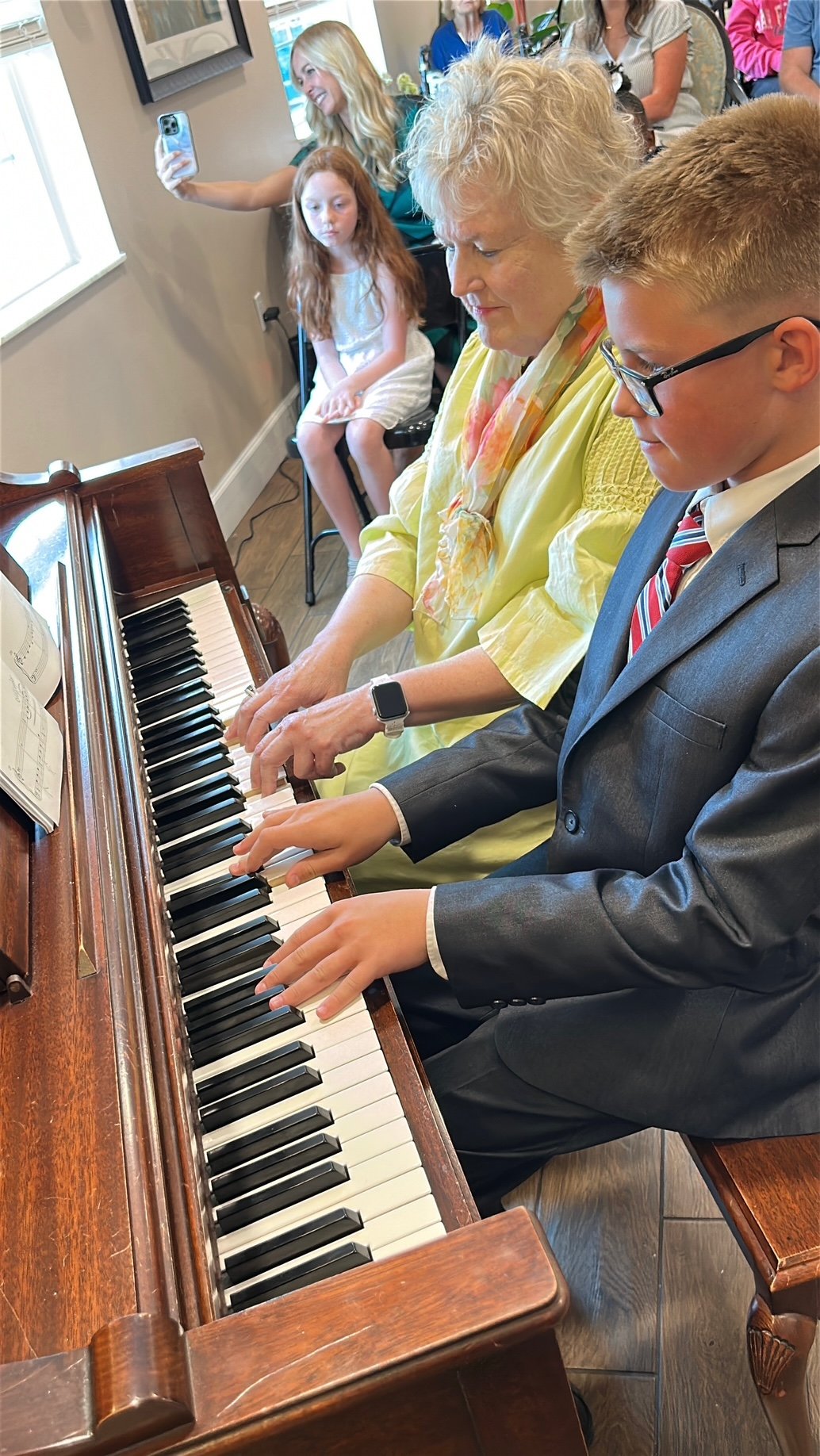
As a piano teacher, I want parents to know something very important:
These moments are normal.
In fact, many successful musicians once experienced seasons where they felt frustrated, discouraged, or stuck. Growth in music is rarely a straight line. Often, the students who continue the longest are not necessarily the most naturally gifted students — they are the ones who learn how to keep going through the difficult stages.
Progress Often Happens Quietly
One of the hardest things about learning piano is that growth can sometimes feel invisible.
A student may not notice:
stronger fingers,
improved rhythm,
better listening,
greater confidence,
or increased focus
because these skills develop gradually over time.
But as teachers and parents, we often see the growth clearly even when students cannot.
Consistency Matters More Than Perfection
Many families believe students must practice for long periods every day in order to succeed. In reality, short and consistent practice sessions are often much more effective.
Ten focused minutes can accomplish a great deal.
Students do not need perfect practice habits to become successful musicians. They simply need steady encouragement and the willingness to keep trying.
Comparison Can Steal Joy
Children naturally compare themselves to others:
“She plays faster.”
“He learns quicker.”
“I’m not as good.”
But every musical journey is different.
Some students blossom early. Others develop beautifully over time. Some students shine technically while others develop incredible creativity and musical expression.
The goal is not to become someone else’s musician.
The goal is to become your own.
Music Teaches More Than Music
Piano lessons are about much more than learning notes on a page.
Students develop:
patience,
discipline,
confidence,
perseverance,
creativity,
emotional expression,
and problem-solving skills.
These are life skills that reach far beyond the piano bench.
Parents Play an Important Role
Children thrive when they feel supported rather than pressured.
Simple encouragement can make a tremendous difference:
“I loved hearing you practice today.”
“You’re improving.”
“I’m proud of your effort.”
“You didn’t give up.”
Children often continue piano not because every practice session is easy, but because someone believes in them during the hard moments.
The Beautiful Truth About Music
Not every student will become a concert pianist.
But every student who stays with music gains something valuable that becomes part of who they are forever.
Music teaches children how to keep going when something is difficult.
It teaches them to create beauty slowly, patiently, and consistently.
And perhaps most importantly, it teaches them that they are capable of more than they first believed.
The students who continue are not always the most talented.
They are often simply the ones who keep showing up.
